

Want to start marketing your landscape business in new ways, but not sure where to start? We've worked with landscape businesses like yours before, and have seen firsthand what works—and what does not. The goal of this post is to provide landscape business owners who have not yet invested in marketing their business. An important element of this advice is that most landscape clients perform research online before reaching out to a business. This means you must have a strong digital presence and be seen by prospects in the digital world.
Need proof, check out this case study of how Inbound Marketing helped to transform The Garden Continuum,. Hear it in Monique Allen's words the impact it had on her company.
Here's a list of proven marketing tactics that we know from experience can help your landscape business reach new clients, grow your market, and increase revenue.Ready to jump right in and start marketing your business? Not so fast. Before you do anything else, you must define your brand.
Why is this so important? The key reason is this:
You may be competing for customers with dozens of local landscaping businesses in your area—not to mention national companies that may offer services that overlap with your own. A strong brand will help you stand out.
So what exactly is a brand? It’s not a logo (though we’ll get to that in a minute).
So now we know that establishing your brand is critical. But how do you determine your brand? Here are some questions to ask yourself to help you get started:
Once you have established what your brand is, you can then begin creating your brand identity, which is how you communicate your brand to your customers.
Your brand identity includes assets like your logo and color palette, website design, photography, your content’s voice and tone, and your personality.
For example, let’s say your business focuses on delivering landscaping services for commercial properties. Would your company website feature pictures of residential properties with beautiful lawns and gardens? Of course not—because doing so would be inconsistent with your brand.

Even your employees are a piece of your brand. As an example, think of Southwest Airlines. If you’ve ever flown the airline before, you have undoubtedly encountered a welcoming, friendly, and even funny flight crew.
Southwest Airlines’ mission is “dedication to the highest quality of customer service delivered with a sense of warmth, friendliness, individual pride, and company spirit.” Their employees reflect that mission perfectly.
And if you have a strong brand, you’ll open up a lot of opportunities for your business—in fact, according to data compiled by HubSpot, 90 percent of searchers online haven’t made up their mind about a brand before starting their search.
A successful brand is one that allows customers to instantly “know” you each time they encounter you—and for them to build the perceptions of your business that are most important to you.
Once your brand is defined, the next step is setting your marketing budget.
It’s crucial that you have your marketing budget in place before implementing any individual marketing tactics. Without a budget, you won’t be effectively allocate your marketing dollars to where they can make the biggest impact—or even determine the true ROI of your marketing efforts.
Many factors go into determining your marketing budget. Questions you can ask to help you develop your marketing budget include:
This is listed as the first strategy for a reason: You can’t find your perfect client until you know exactly who that person is. We think that the best method for identifying your ideal client is to develop what’s called a buyer persona.
When you create a buyer persona, you’ll learn more about your prospective clients’ priorities and expectations, how they search for information, and the barriers they may encounter to making a purchasing decision.
This allows you to create exactly the type of marketing content that resonates most deeply with your prospective client and how the special capabilities of your business differentiate you from other companies. Don't underestimate the power of differentiation and messaging to your ideal client.
Even if you don’t implement all of the tactics outlined here, creating a buyer persona is a must for any online marketing efforts you undertake. You can find out more about buyer personas here.
There are all sorts of questions your prospective client has about landscape projects and services—and where are they likely turning for answers? Google.
 With a blog, you can create content that addresses these questions, helping increase the opportunities for your business to be discovered by the very people whose problems your business solves. Of particular value to the homeowner are 'how-to' articles and educational articles for the home garden enthusiast. These articles enable your business to showcase your knowledge which in turn builds trust with your prospects and customers.
Of course, Google’s ranking algorithm is very complex, and simply creating blog content is no guarantee that you’ll receive first-page rankings. But it’s a must if you want to have a chance.
The importance of Google shows just how much marketing has changed. While in the past newspaper ads, direct mail, and the Yellow Pages might have been perfectly fine methods for advertising your landscape business, today’s digital environment demands new techniques.
Particularly important to keep in mind is that buyers are now in control of the conversation. They expect answers to their questions, at the exact moment they have them. And the companies that can provide that have a huge competitive advantage. A blog is the key to making it happen.
Once a new visitor has landed on your website, one of the single most important things you can do is capture their contact information. This is so you can continue to connect with them long after they’ve left your site—and ultimately, so you can establish a relationship with them.
 Providing valuable, downloadable resources in exchange for contact details such as an email address is an excellent way to obtain this information. With this technique, you’re not merely soliciting clients for their information—you’re providing them with something they value in return for it. And that increases the likelihood they’ll share it in the first place.
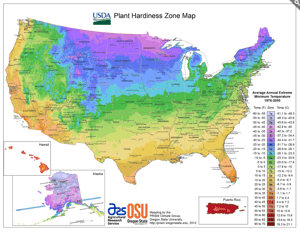
As a landscape business, a few examples of downloadable content incentives you can create could include a checklist of steps needed to get a yard ready for spring, or a guide to growing and caring for flowers and plants commonly found in your area, also called a climate zone. Click on the map to view the climate zone in your area.
Key to the success of this technique is to adopt marketing automation software that seamlessly and automatically delivers your content to prospective clients as soon as it’s requested.
After all, you don’t want the responsibility of individually emailing the resource to the prospective client each and every single time it’s downloaded. (This would quickly create an unmanageable workload for you!)
 And if your client happens to request your content at 11 pm, you also don’t want to keep them waiting to receive it, either.
At Bristol Strategy, our favorite marketing automation tool is HubSpot. The platform offers a free plan, so you can test it out before making a commitment. Schedule your free Hubspot demo from the experts at Bristol Strategy.
After a prospective client has downloaded one of your free resources, don’t consider your job done. You’ll want to nurture your relationship by continuing to remain in contact with them.
You can create an email sequence that consistently delivers additional content to these prospective clients. You also may have heard this referred to as an email sales funnel.
 With an email sequence, you’ll deliver content that helps ensure that your business remains top of mind with prospective clients, and helps guide them to a purchasing decision with your company.
The email sequence should be customized depending on the type of content the client downloads from you that triggers the beginning of sequence. For example, a client who downloads a checklist for a spring yard cleanup likely has different needs from another client who downloads a guide to redesigning the landscape of their home.
Remember, the prospective client turned to you for help with a specific problem. You’ll increase the likelihood of converting them into a paying client by delivering content in the email sequence tailored exactly to that issue.
 According to HubSpot, 79 percent of people online use Facebook. That’s a whole lot of eyeballs. And your target client is likely there, too, especially for a B2C business.
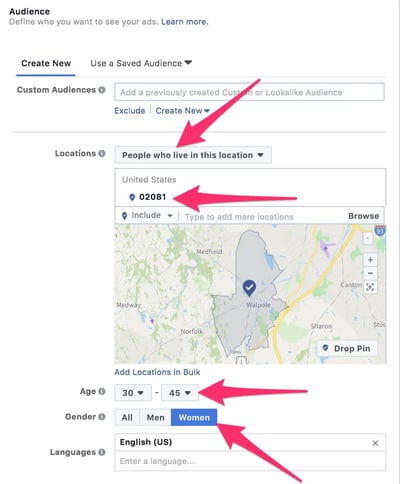
Beyond its incredible reach, one thing that makes Facebook a particularly powerful option for marketing your landscape business is its precise options for targeting your message to exactly the people you most want to see it.
When you create a Facebook advertising campaign, you can choose to segment your audience by gender, age, homeownership, income, and even zip code—and a whole lot of other characteristics, too. It’s a very different investment than traditional advertising methods such as newspaper ads, where all you could do is place your ad and simply cross your fingers that the right people saw it.
If you’re interested in learning more about how to create a Facebook ad campaign for your landscape business, you can check out our helpful guide to advertising your landscape business on Facebook here. And here is a step-by-step tutorial about it.
Reviews and word-of-mouth referrals are one of the most impactful ways of promoting your business—prospective clients often put a lot of trust into what current clients have to say about you.
 Landscape businesses that consistently deliver superior results to their clients likely have a lot of fans. If your business is one of them, ask your current clients to spread the word: They can respond to a Facebook post soliciting recommendations for landscape businesses, write a Google review, or share a testimonial for your own website.
You can also consider starting a referral program, in which current clients receive a discount on services or other incentive for each new client they refer to your business.
If this isn’t a practice you’ve done before, it may feel strange at first, but don’t worry. Satisfied clients are likely happy to do so, but simply may have never thought of it before. They just need the prompt of being asked!
Here is a valuable article from Hubspot about how to create a referral program. Remember, you should provide some incentive for the referral to your clients. After all, they are doing you a favor. Looking for more ways to fill your schedule? See how to get more landscaping clients.
If there's any professional who gets to see firsthand the needs of your clients, it's a realtor. And making connections with local realtors can unlock a powerful source of leads for your landscape business.
Ask your family, friends, and professional network for introductions to any realtors that they may know. Your local Chamber of Commerce or other business organizations may also be able to help you facilitate these meetings.
Once you've made a connection, be prepared with plenty of professional materials that you can share. If you've already taken some of the steps outlined above, such as building a blog and asking for plenty of client reviews and referrals, you'll be well-positioned as an authority that the realtor can trust in recommending to their own clients.
Don't forget, any successful relationship has to be beneficial for both parties. Consider offering any clients referred to you by the realtor a special discount on services or other incentive. By helping the realtor offer something of value to his or her own clients, you can increase the likelihood that your landscape business is the one that receives any referrals.
Getting out and meeting people face-to-face in the communities you serve is a wonderful way to market your business. Many cities and towns host annual events like festivals and community days that include opportunities for businesses to rent booths or tables to promote themselves. Don’t pass these up!
When you attend these events, make sure that you have plenty of marketing materials about your services on hand. Consider hosting a few activities to draw people in to draw people to your booth or table, like raffles or simple games.
And make sure you have a signup form available so visitors can be added to your email list—encourage each and every person you meet to add themselves to it.
Remember, don’t limit it to just to the town where you live, either. If you serve multiple communities, find out if there are similar events in those areas that you could attend as well.
There are lots of fun and creative opportunities for you to market your landscape business. This list can get you started, but regardless of which tactics you try, you'll want to make sure that there's a marketing strategy behind them. Learn more about the comprehensive strategy we use to help our clients grow their landscape businesses, and then schedule a one-on-one phone call to find out how we can do the same for you. Once these basics are in place, our landscaping business growth strategies can help you plan the next stage. If you would rather have a team put these strategies to work for you, see how our landscaping marketing agency can help.

Bristol Strategy is a full funnel inbound marketing agency and inbound sales agency offering the full complement of services to enable our clients to surpass their business objectives by transforming the way they engage with their buyer online. Reach out to us to learn more about how our experience and capabilities can help your business grow.